Liljewall is one of Sweden’s largest architecture firms, with 225 employees across its offices in Gothenburg, Malmö, and Stockholm. Founded in 1980, the firm specialises in what they call ‘everyday architecture’, and focuses on designing spaces that serve daily life.
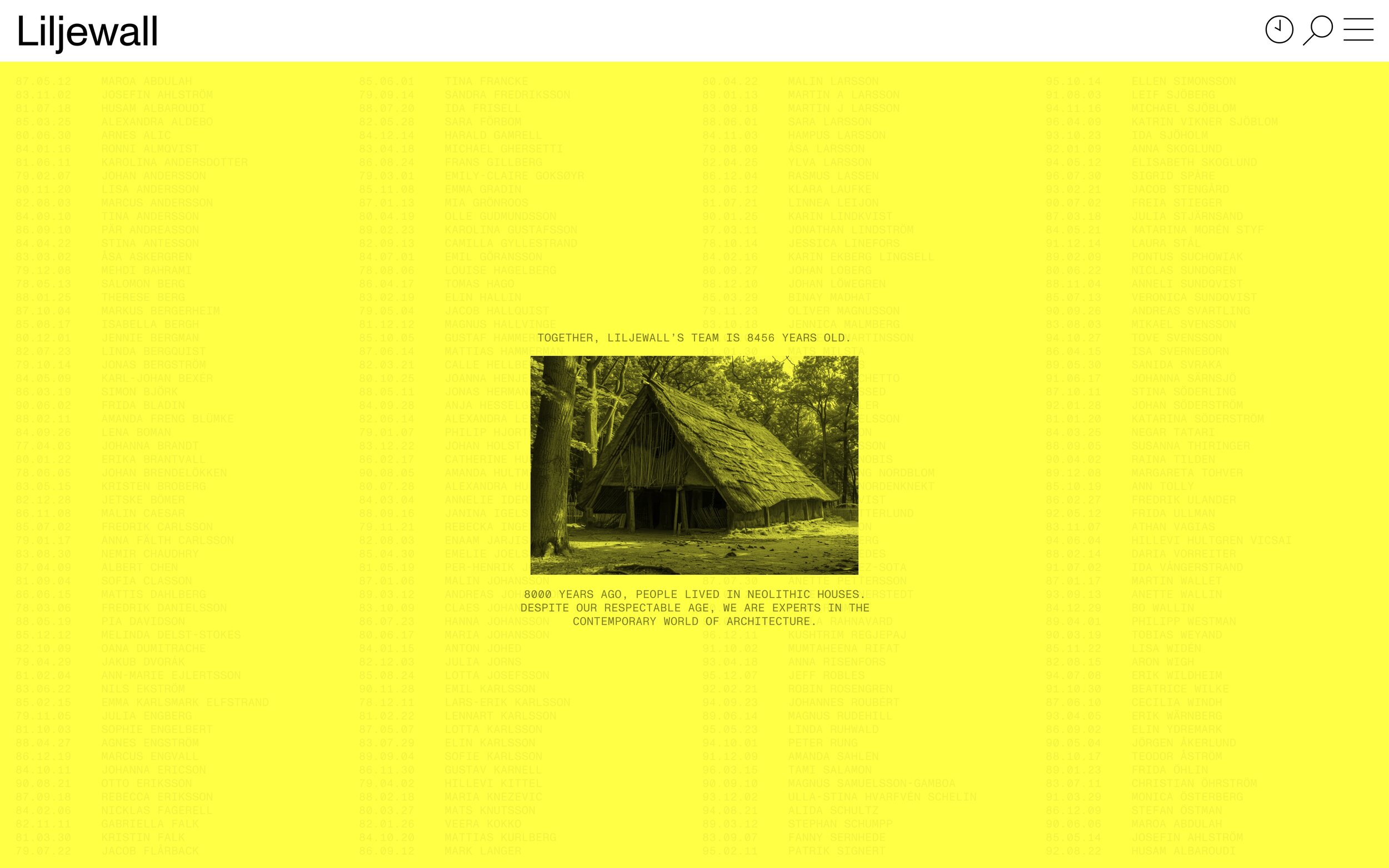
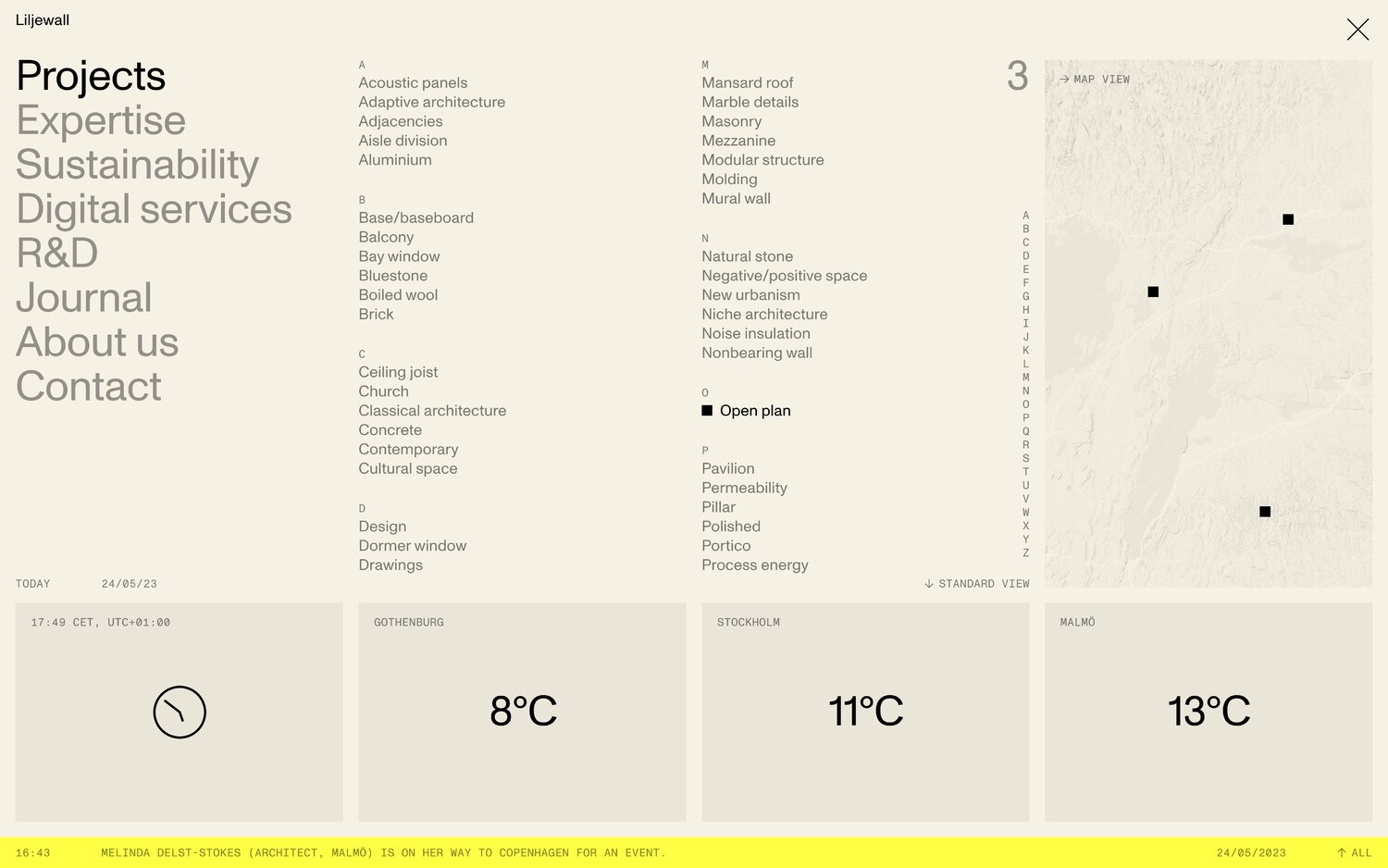
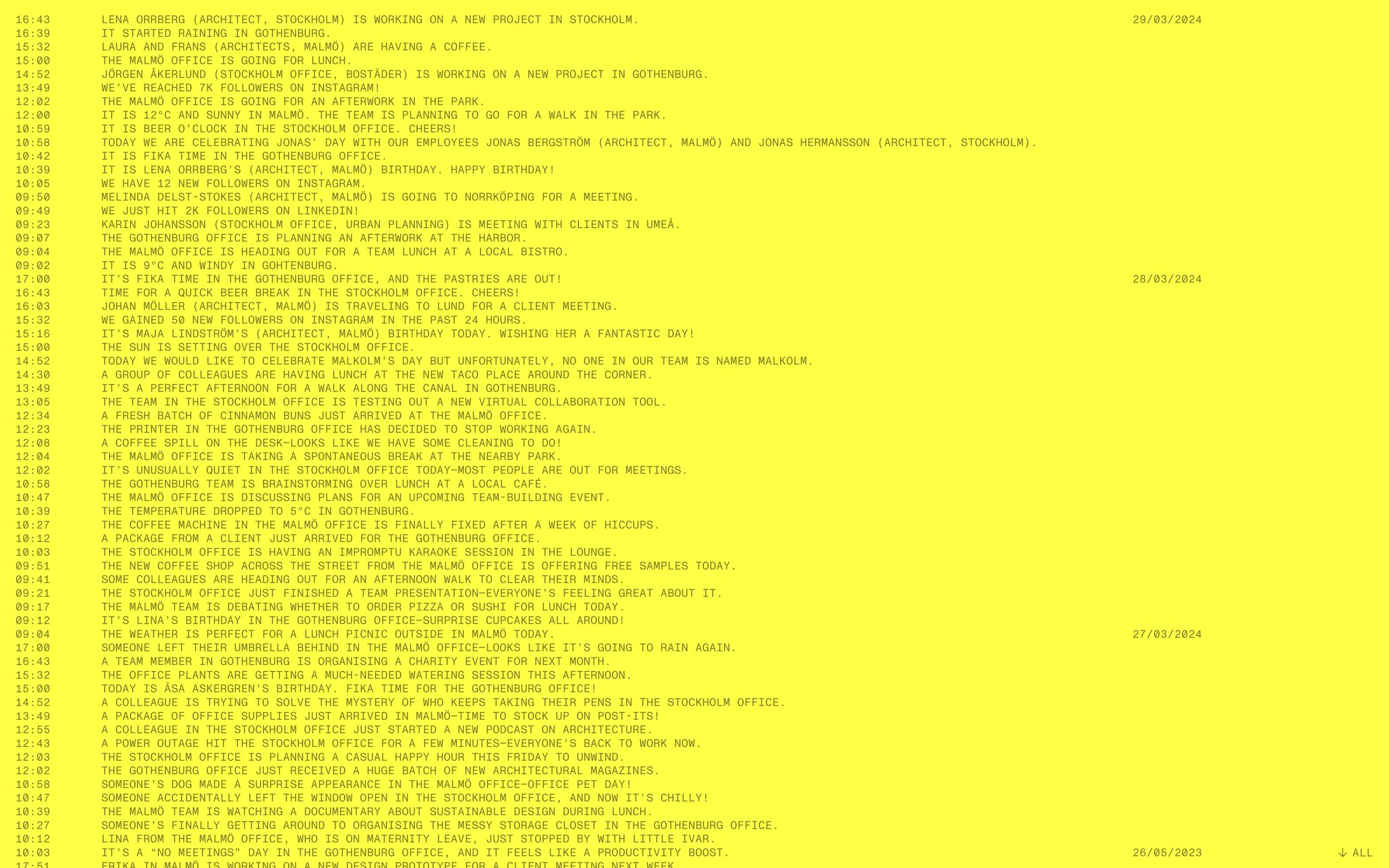
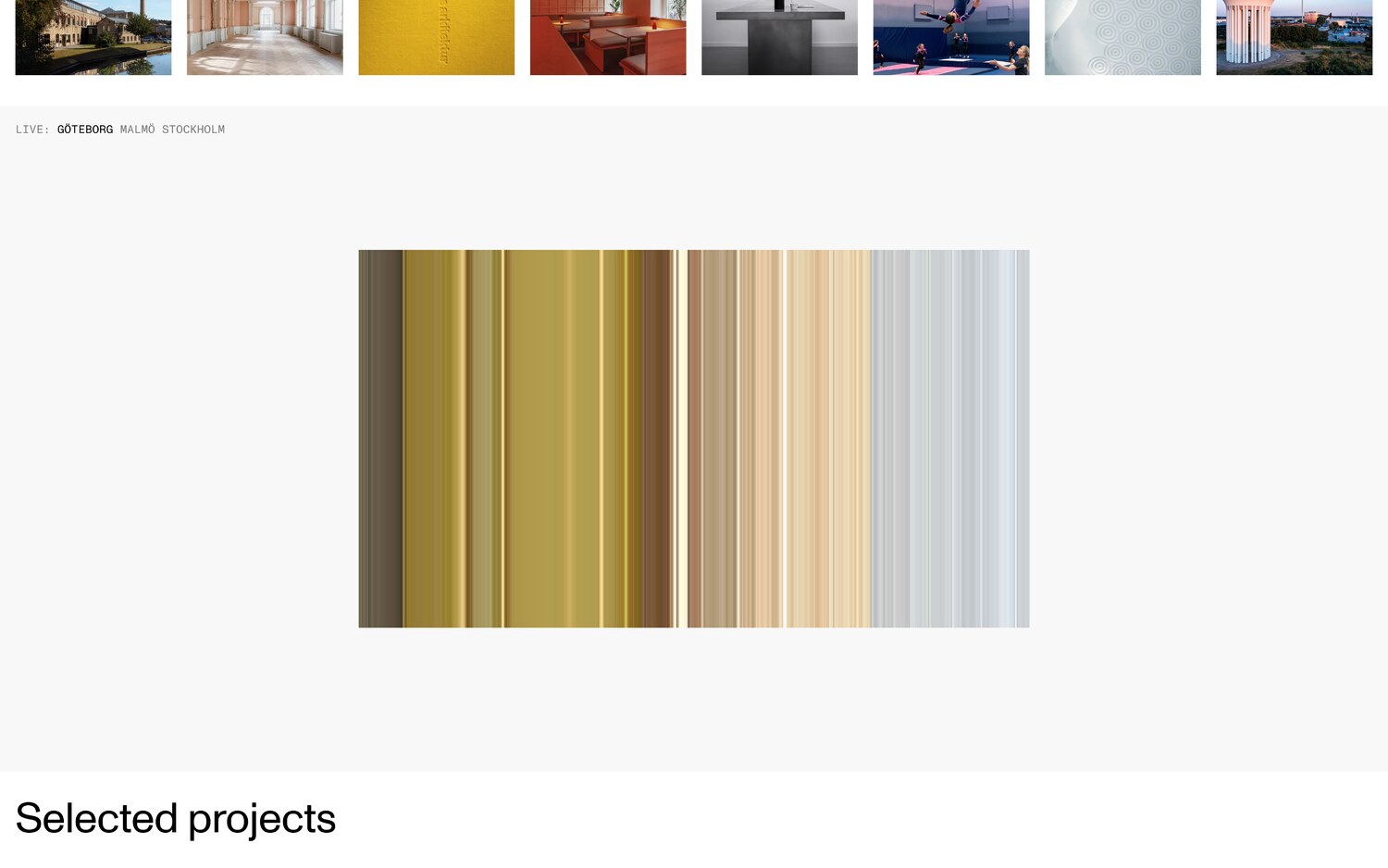
For the design of Liljewall’s website, Lundgren+Lindqvist expanded the concept of the everyday. By integrating real-time elements—such as clocks, temperature updates for each office, footage from the workplaces, and live feeds—the website presents a dynamic, ever-changing portrayal of the firm’s daily routines. In doing so, it becomes a space where data and daily experiences intersect.
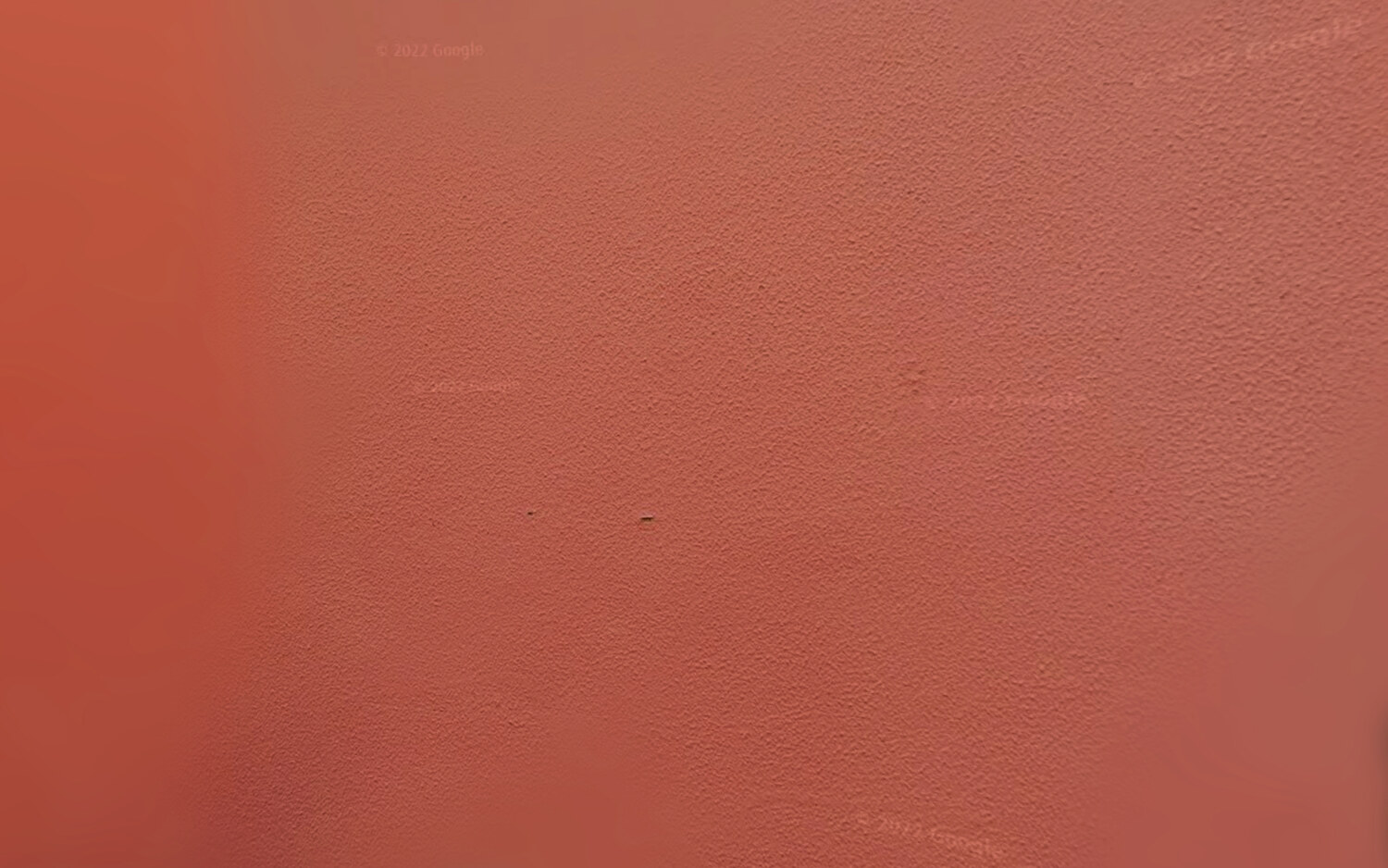
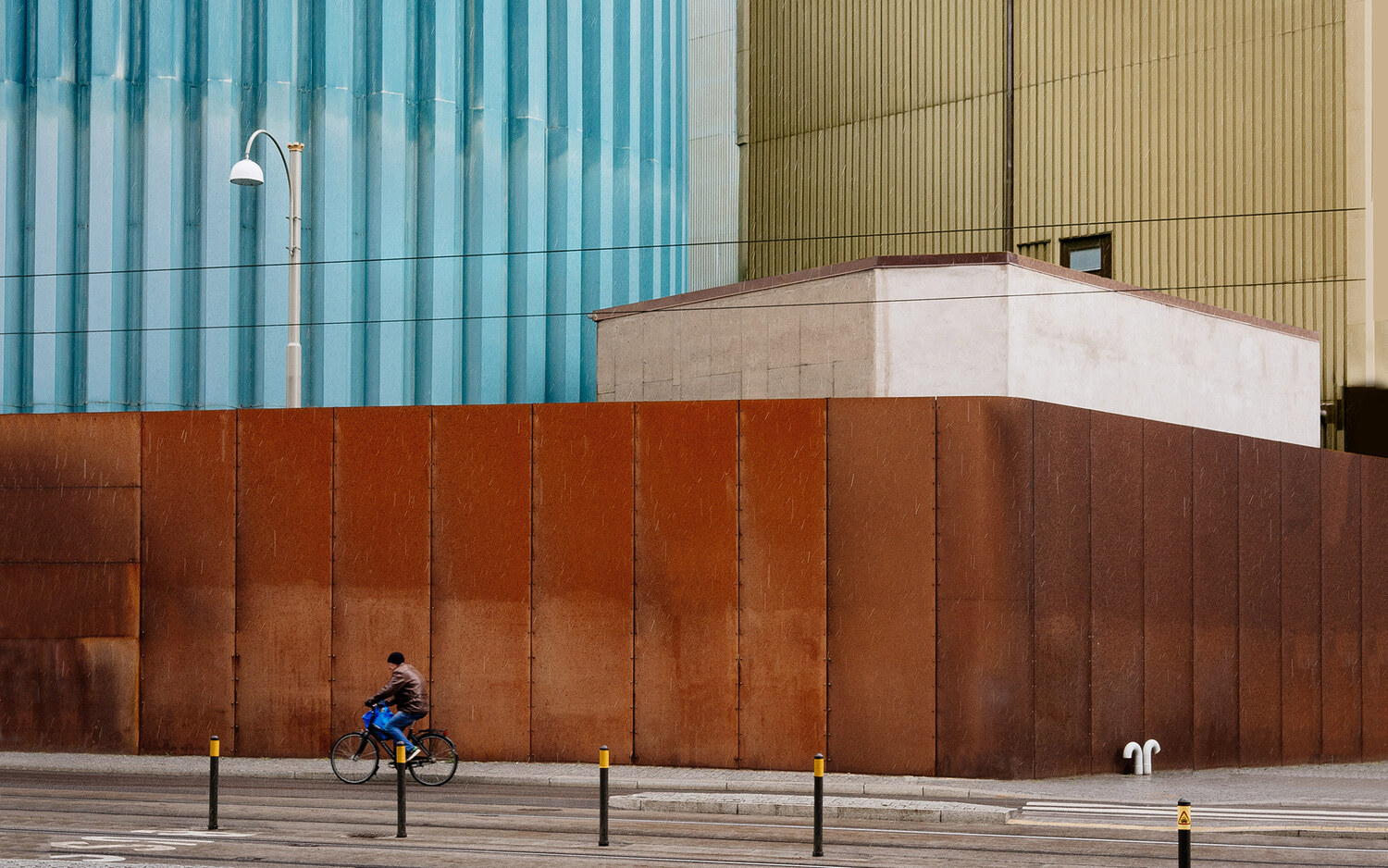
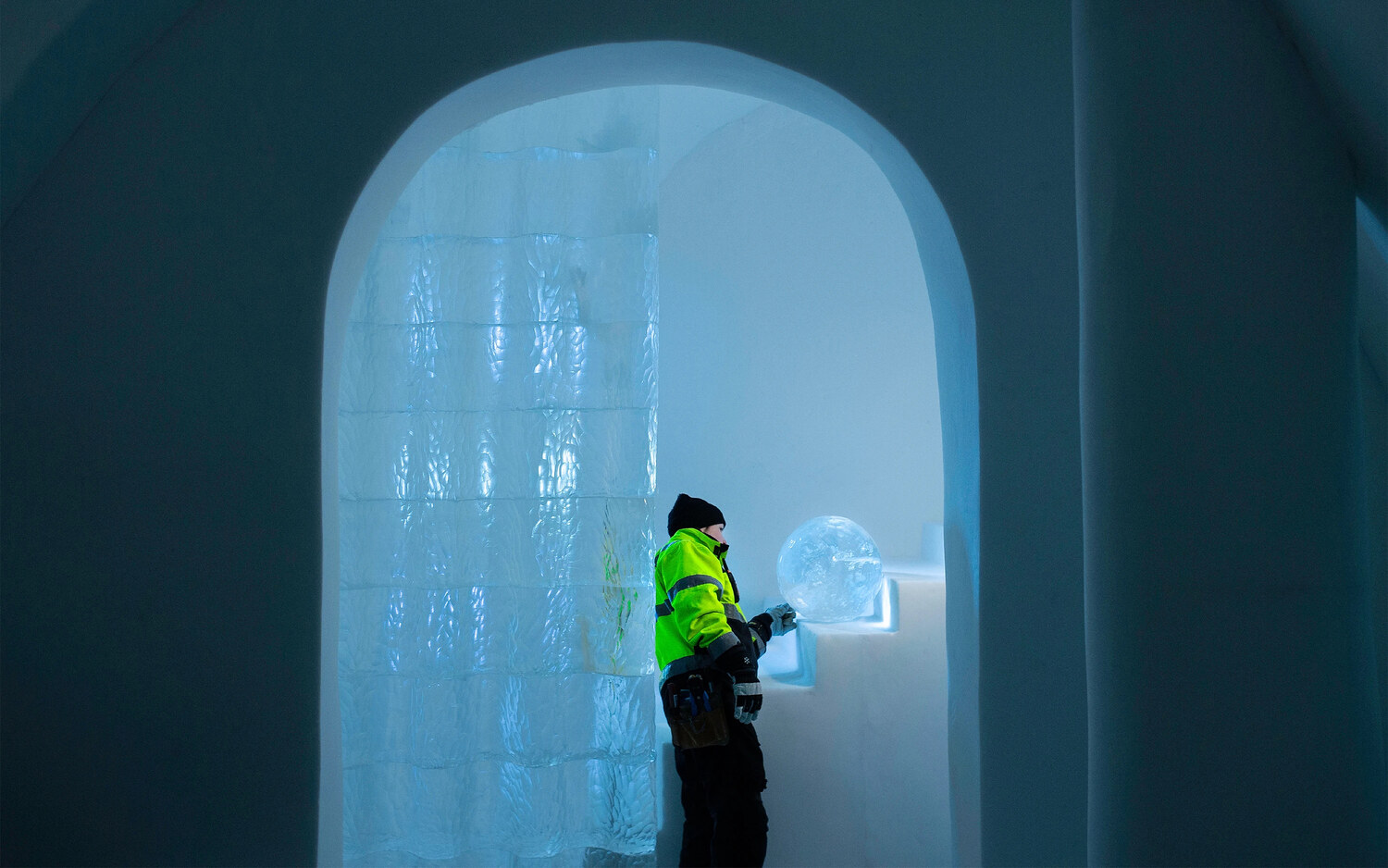
Unlike many architecture firms, who rely solely on refined, curated imagery, Lundgren+Lindqvist and Liljewall opted to also showcase the authentic ways people engage with and inhabit spaces in their quotidian. The inclusion of Google Maps views and spontaneous snapshots reinforces a narrative that embraces the natural imperfections of everyday life.
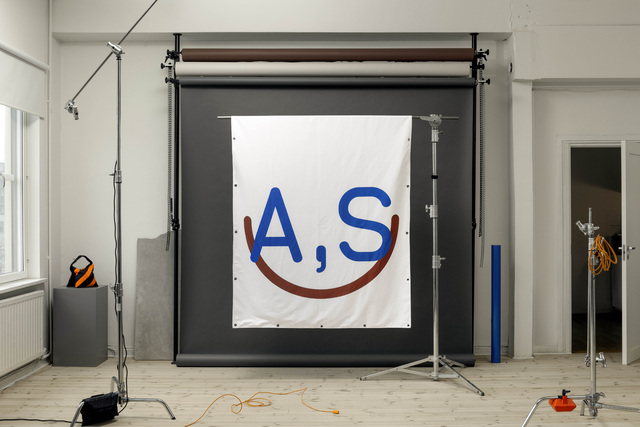
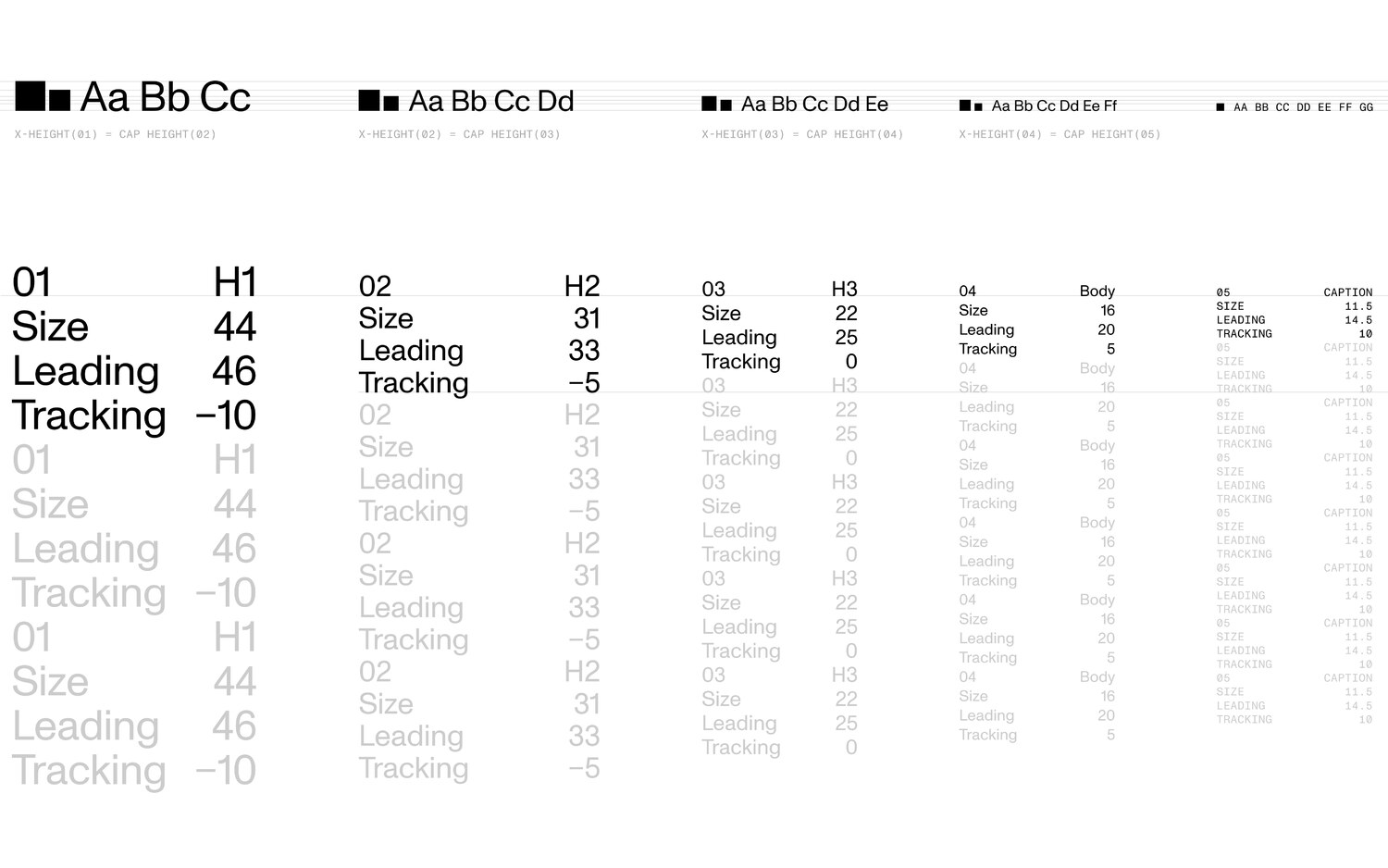
As part of the project, Liljewall’s visual identity was updated. The typeface ‘Monument Grotesk’ (Dinamo) was introduced, alongside its monospace variant. Monument Grotesk Mono was used for data and technical information, creating a visual distinction between Liljewall’s in-depth presentation as an established architectural practice and the everyday life that underpins it.
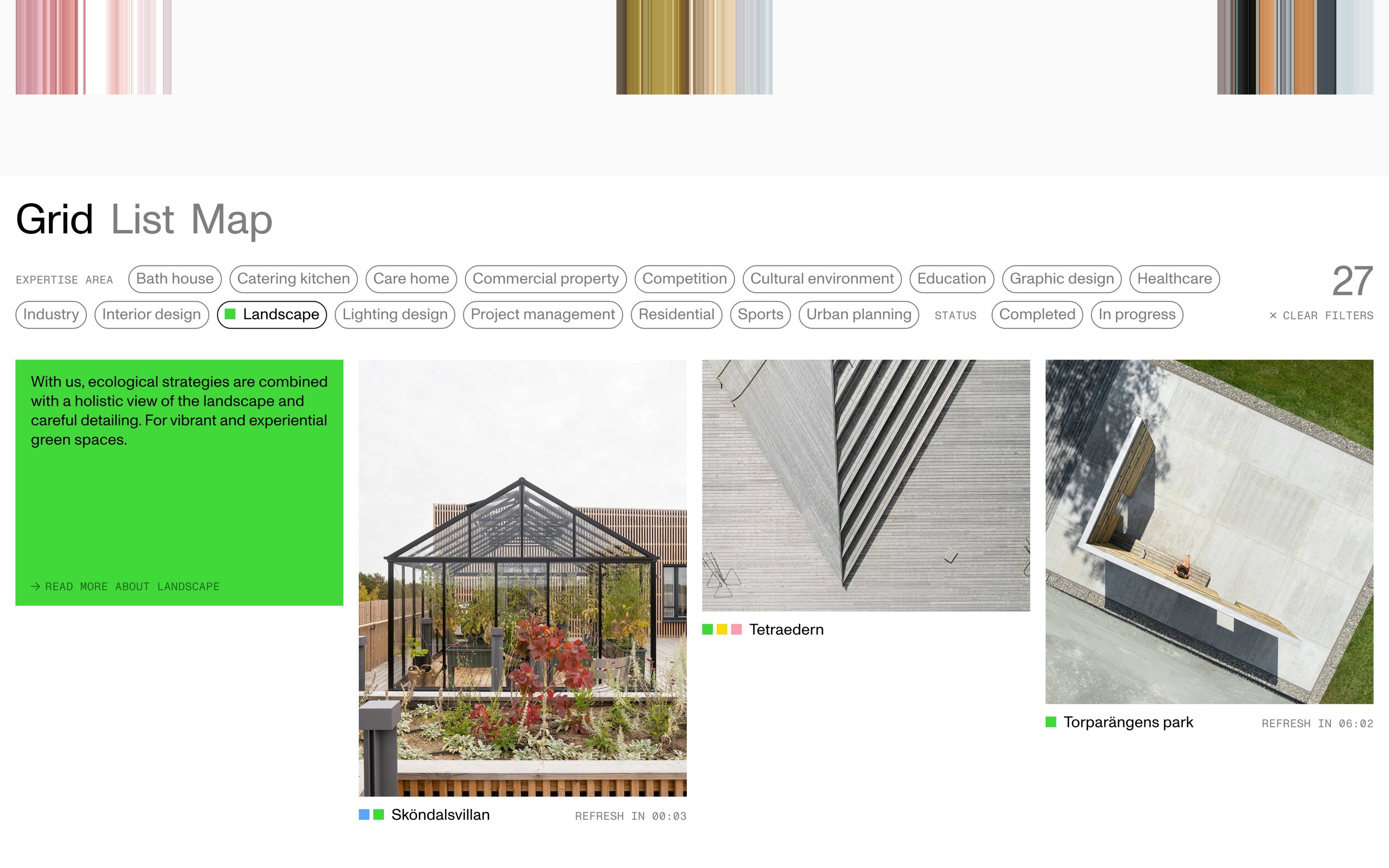
An expansive colour scheme was also introduced, with each shade symbolising a distinct area of expertise. This system emerged as an essential navigational tool, guiding users through the firm’s extensive body of work.
The first phase of developing the new Liljewall website revolved around the information architecture. Their former website, built using Wix, had grown vastly in size and as with many similar platforms there was a lack of both consistency and overview. Together with Liljewall’s team, we narrowed down the number of pages by nearly half, still keeping hundreds of case studies, articles and pages about their different departments. While reviewing all the existing content we also gained an idea of the variation needed to be covered by the design system and sequently by the content management system.
When choosing the CMS for Liljewall, our aim was to find balance between structured data and content presented in a more flexible way. We find that WordPress excel at this as we can create an intuitive interface with just enough editing capabilities to make it highly flexible, while still maintaining a clear structure that is easy to work with for the editors. Using WordPress and open source techniques on the server meant we could freely create our own translating tool, which we paired with AI to quickly create draft pages in multiple languages, which were amended finalised by Liljewall’s editors.
On the front-end, the Liljewall website is a carefully crafted WordPress-theme which utilise the multi-page architecture to its advantage. By partially pre-rendering pages on the server and using prefetching techniques on the client we use the native features of the web platform making the website highly performant, regardless of which page you land on.
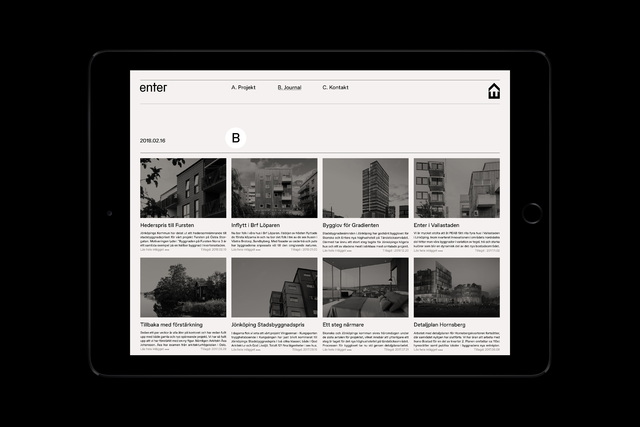
Small asynchronous applications are fetched to handle specific tasks like search, the journal and a comprehensive map of Liljewall projects.
The responses to the website have been very positive. Building on this success, Lundgren+Lindqvist and Liljewall continue to expand both the visual identity and the website.